Identities, books, bottles and rooms.
Vasquez Studio is the practice of Juno Vasquez, working from a first floor room in Lisbon with a rotating cast of photographers, writers and printers.
Most of what leaves here is meant to be held. Ink behaves differently to a screen, paper has a grain, a label curves away from you. I design for the awkward version first and let the screen have the easy job.
Selected work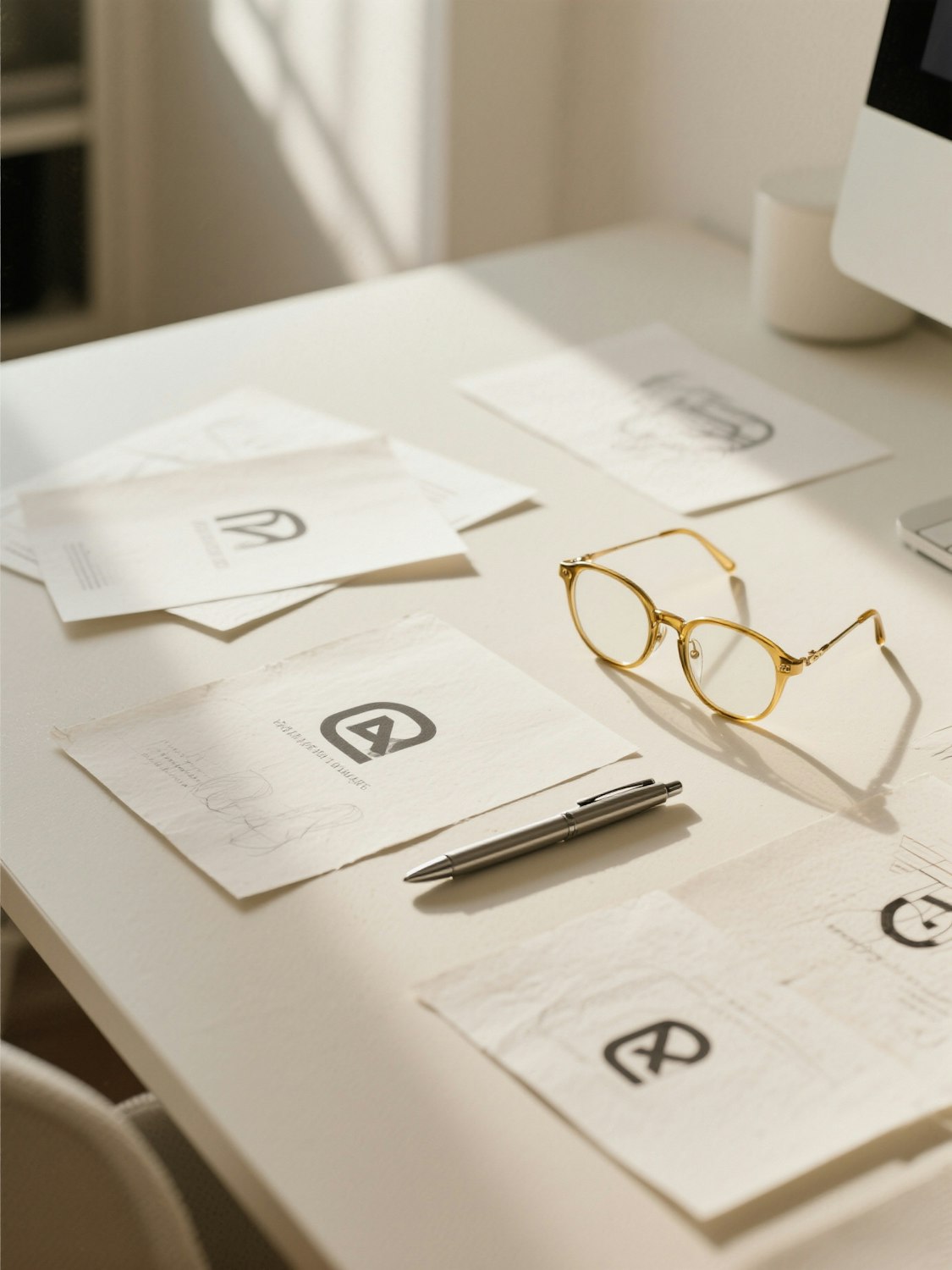
- Practice
- Art direction and design
- Based
- Lisbon, working anywhere
- Working since
- Two thousand and eleven
- Brand identity
- Editorial
- Packaging
- Exhibition
- Art direction
- Signage
Selected work
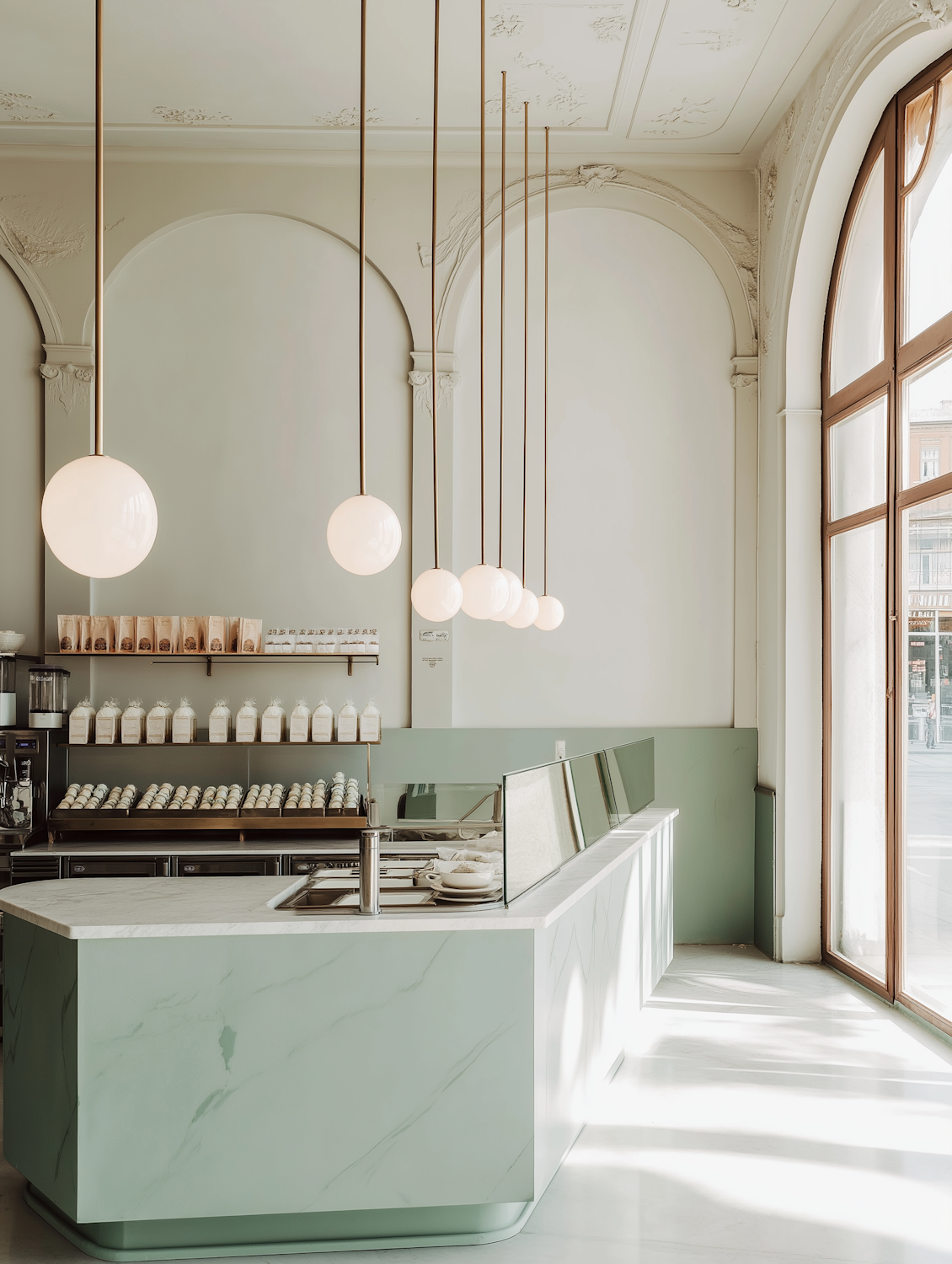
Coffee roastery, Lisbon — 2026
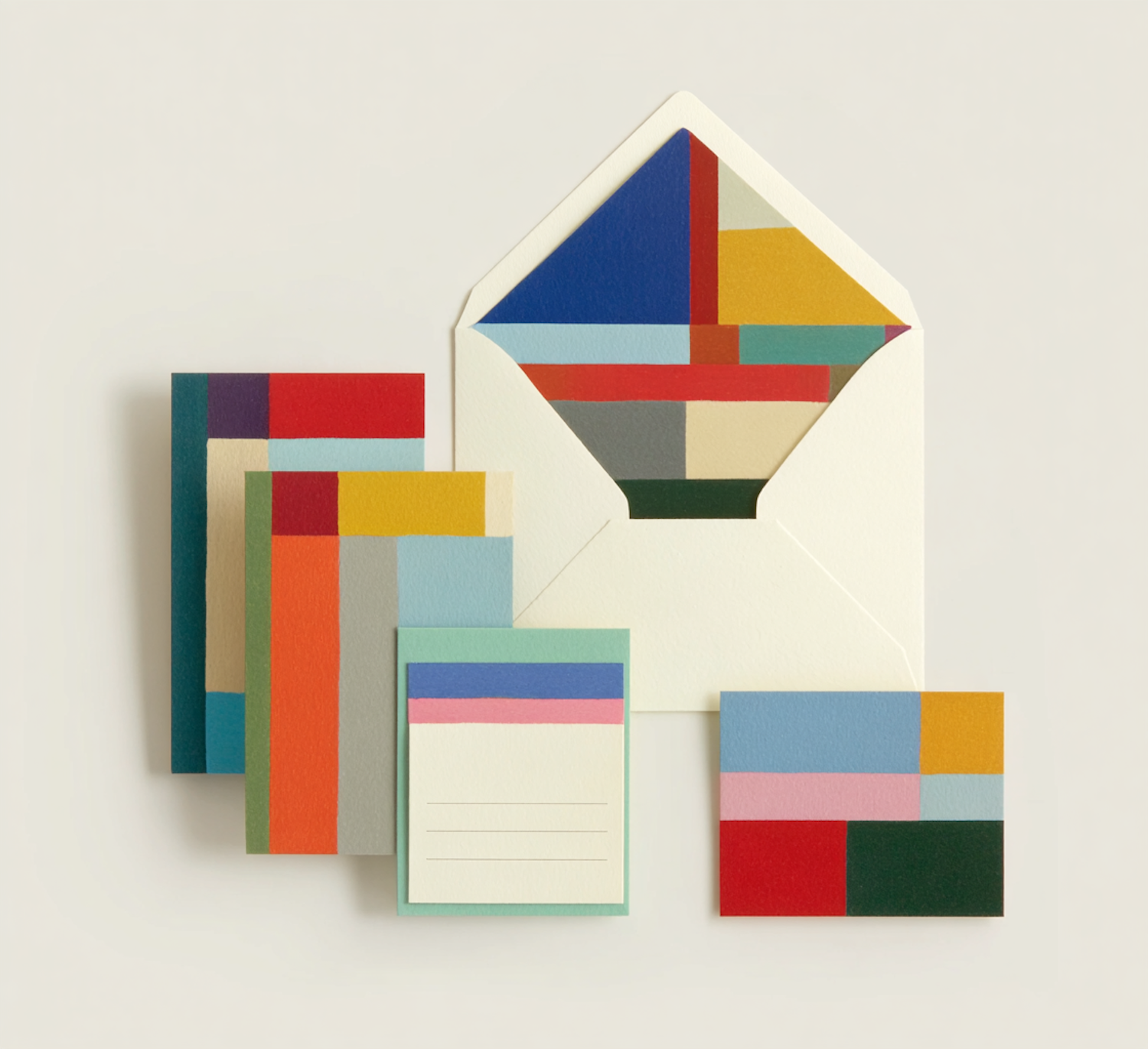
A roastery on Rua da Palma that had grown to look like a chain. One wordmark cut from an old tile stencil, a paper bag that folds flat for the market stall, and a hand painted sign the neighbours now use to give directions.
- Identity
- Signage
- Packaging
Position
Printed things outlivethe file they came from.
A logo can be redrawn on a Tuesday afternoon. A print run of six thousand catalogues cannot. That asymmetry decides how the work here is made: slowly at the start, then all at once, and never signed off on a screen alone.
The studio
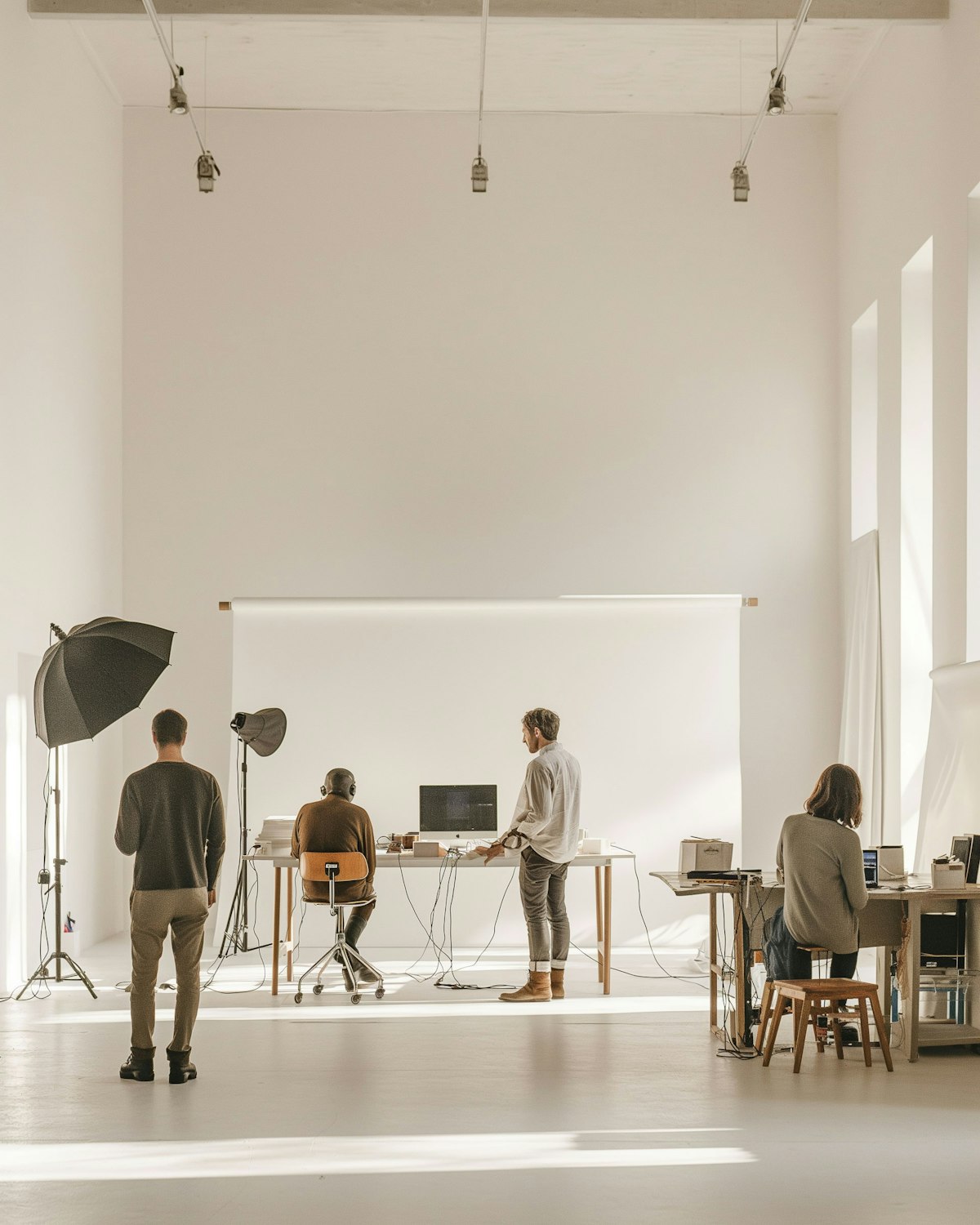
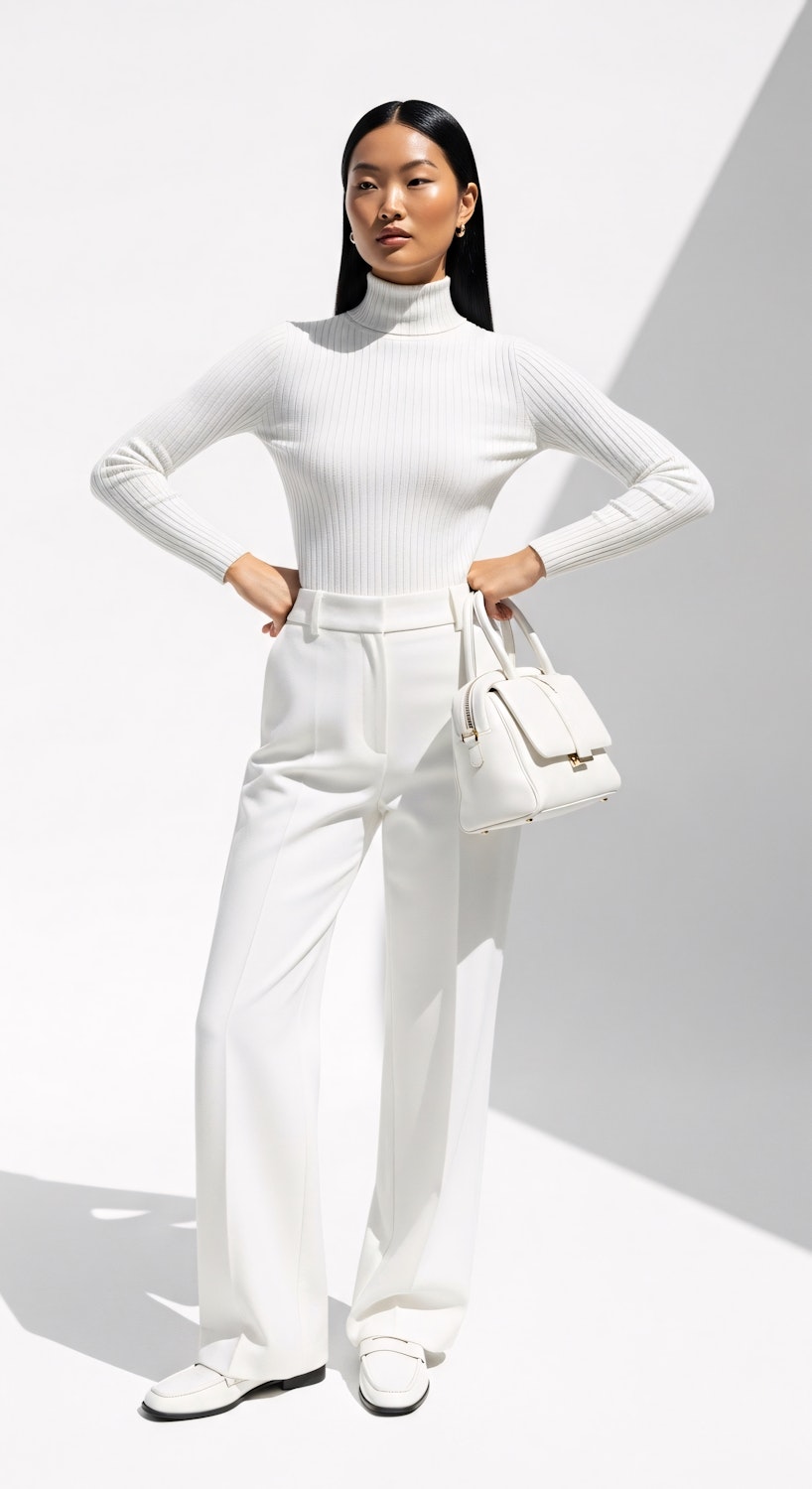
A small room,a long table,a lot of paper.
I started drawing marks on the backs of café receipts and never properly stopped. The work has widened since then, into books, bottles, signage and the occasional website, but the method has barely moved: read the brief twice, draw badly on paper, print it at size, then look at it for a day before showing anyone.
Projects run one or two at a time. You deal with me from the first call to the final press check, and if a job needs a photographer, a writer or a bookbinder, I bring in people I have worked with for years rather than a department you never meet.
What I am asked for
Brand identity
Marks, type systems, colour, and the rules that stop the whole thing drifting six months in.
Art direction
Casting, references and shot lists for photography and film, then a day on set to protect them.
Editorial and books
Journals, catalogues and monographs. Grids built to survive a long word count.
Packaging and labels
Structure, dielines and print specs, worked out with the printer rather than at them.
Exhibition and signage
Wall text, wayfinding and vinyl for galleries, studios and small museums.
Websites
Design and art direction, built alongside a developer I have worked with for eight years.
How it runs
- 01
Reading the room
A week of questions, shelf research, old files and the things you would rather not show anyone. It ends with a written point of view, not a mood board.
- 02
Drawing options
Two or three genuine directions, printed at size and pinned to a wall. You choose one. The others are put down without ceremony.
- 03
Making it real
Artwork, print liaison, guidelines and the awkward applications nobody remembers to budget for. I stay on it until the first run is out in the world.